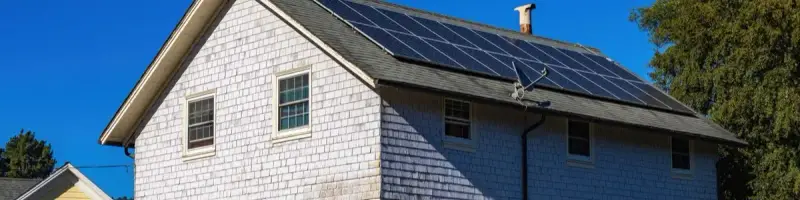
Flagstaff Roof Pros: Roof Replacement, Leak Repair, Metal and Low-Slope Systems
Expert residential and commercial roofing services across Coconino County. Free written estimates, quoted to the code the city actually adopted.
- Licensed roofing contractor with the Arizona Registrar of Contractors
- We quote to the sixty psf ground snow load the city adopted, and show you the page
- Deck report with a per-sheet price before anything goes back on
- Two of our service pages exist to talk you out of buying something
Flagstaff Roofing: Every Service
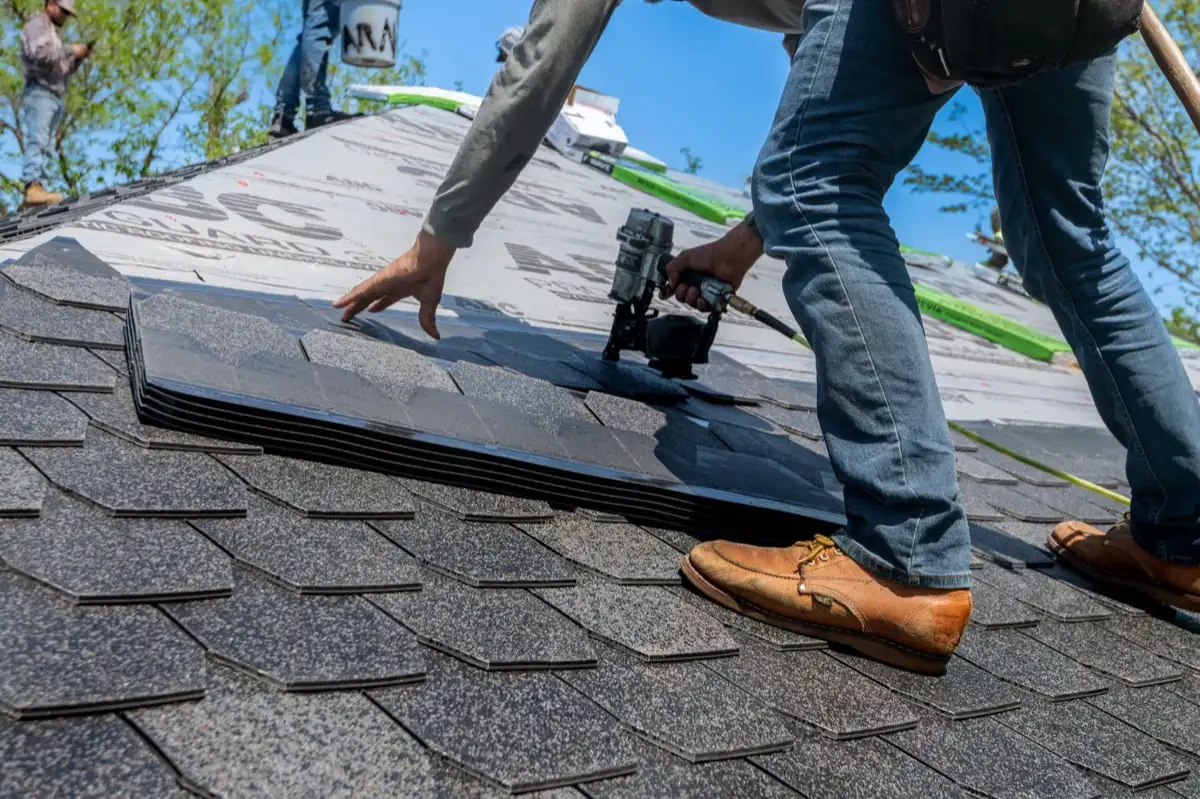
Residential Roof Installation
A new roof at seven thousand feet is a snow assembly first and a covering second. Flagstaff is not a desert build, and anyone pricing it like Phoenix has already made the expensive mistake.
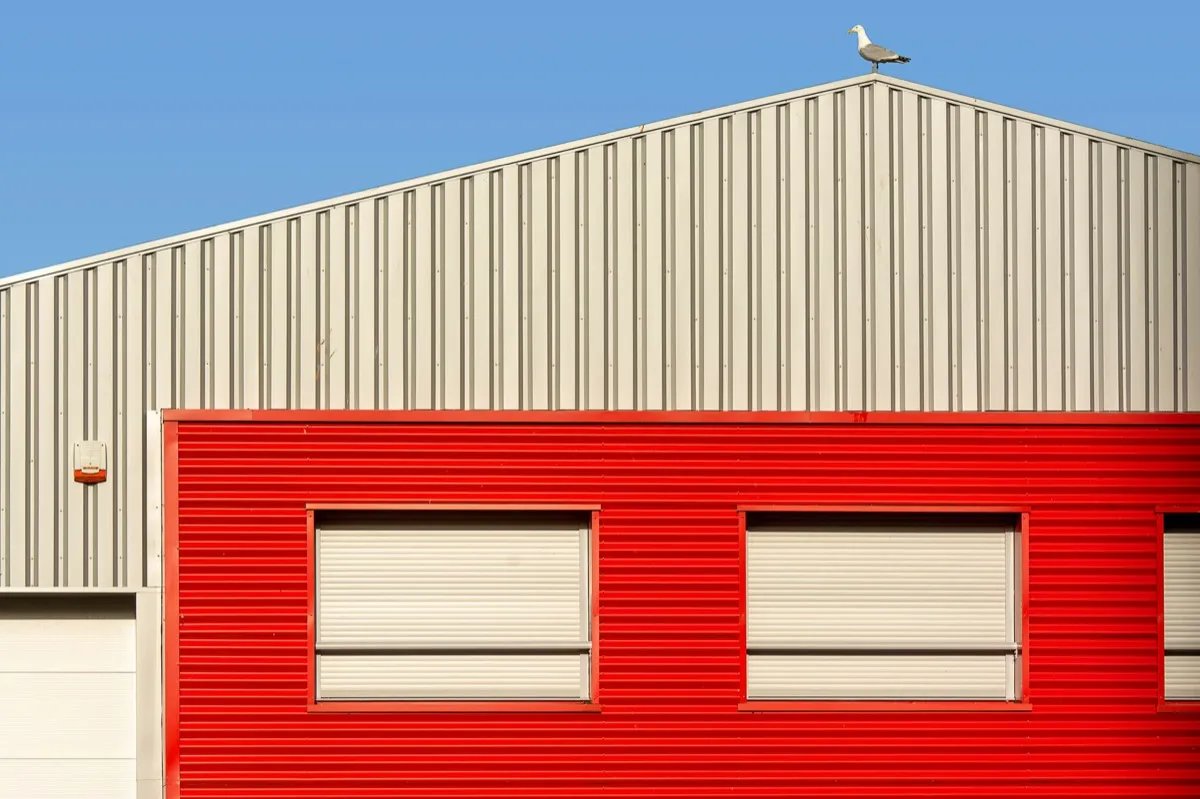
Commercial Roof Installation
A commercial roof in Flagstaff has two legal fire classifications and no third option. The city deleted Class C assemblies and nonclassified roofing from its commercial code outright, which quietly removes several of the cheapest built-up specifications in the model book.
Roof Replacement
A Flagstaff tear-off gets priced twice. Once for the covering you can see from the driveway, and once for the sheathing nobody can see until that covering is in a dumpster.
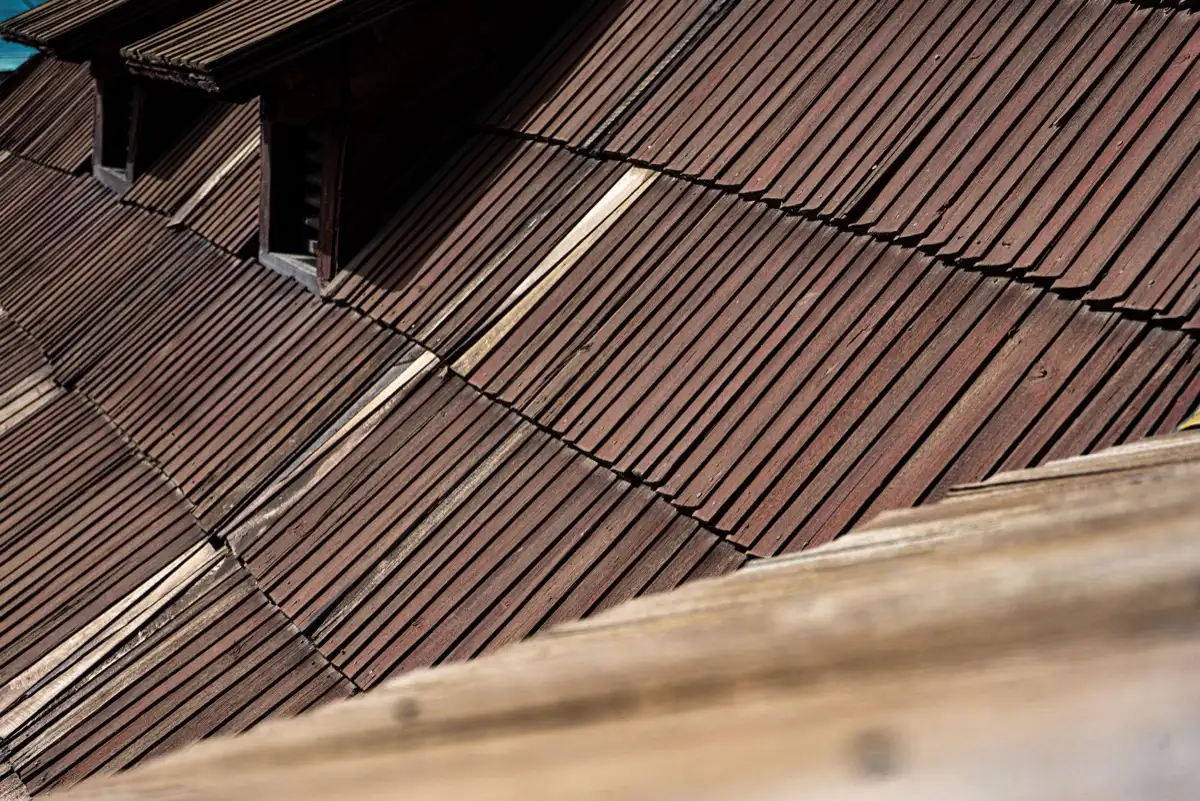
Roof Repair
Flagstaff is the rare place where the permit answer is simple. The city's own guidance says a permit is required to re-roof a building, and roofing appears nowhere on its list of work exempt from permits.
Asphalt Shingle Roofs
Here is a recommendation that would be malpractice in Phoenix and is right here: on most Flagstaff houses, take the darker shingle. The light, reflective roof that governs every conversation in the low desert is the wrong instinct at nearly seven thousand feet.
Cool Roof Installation
People hear Arizona and assume a cool roof is obvious. Flagstaff sits near seven thousand feet in a ponderosa forest and averages roughly a hundred inches of snow a year.
Flat & Low-Slope Roofing
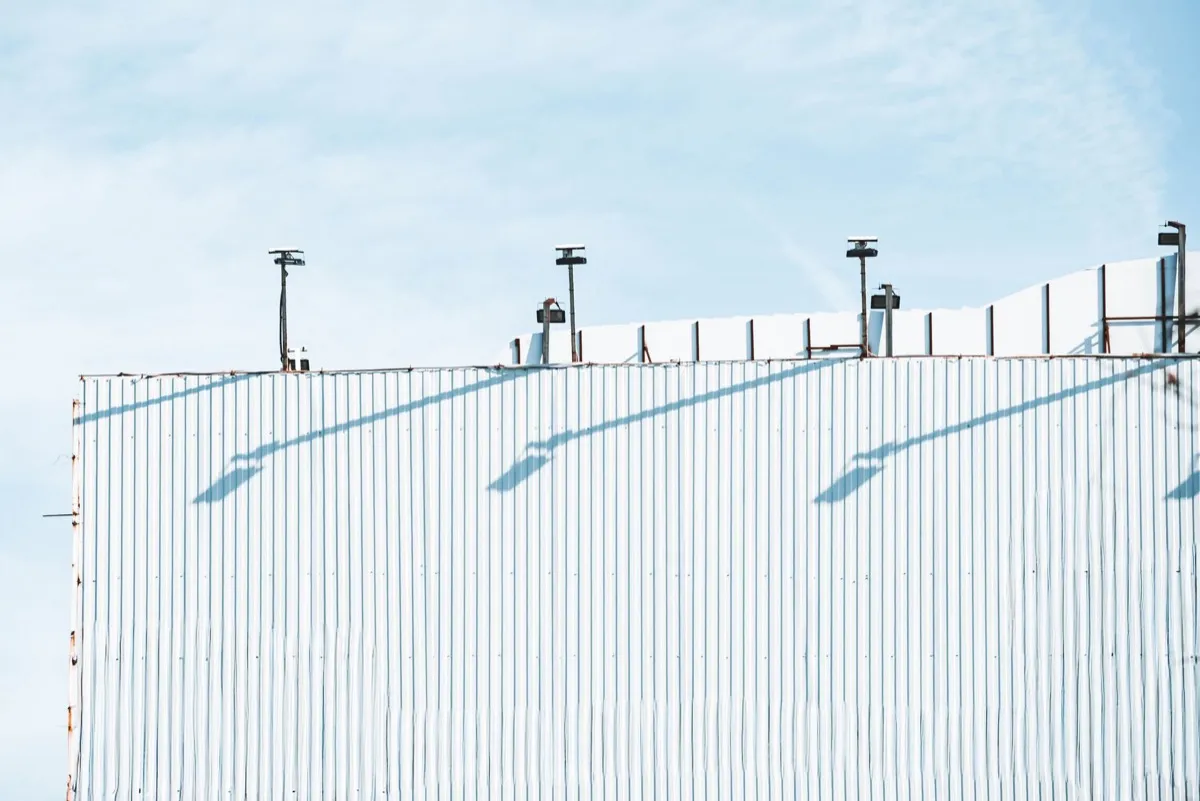
The cheapest low-slope roof in the model code is not legal in Flagstaff. The city amended its materials section so that rolled roofing has to be a Class A or Class B, self-adhering, polymer modified bitumen material.
Hail Damage Roofing
Most of the ice that lands on a Flagstaff roof in July is graupel rather than hail. It is soft, about the size of a pencil eraser, and it does not bruise a shingle mat.
Insurance Claim Help
Filing under the wrong peril is the most common mistake we see on a roof claim in this town. Most losses here are weight of ice and snow, or collapse, and those clauses read very differently from the wind and hail language most adjusters in this state handle daily.
Metal Roofing
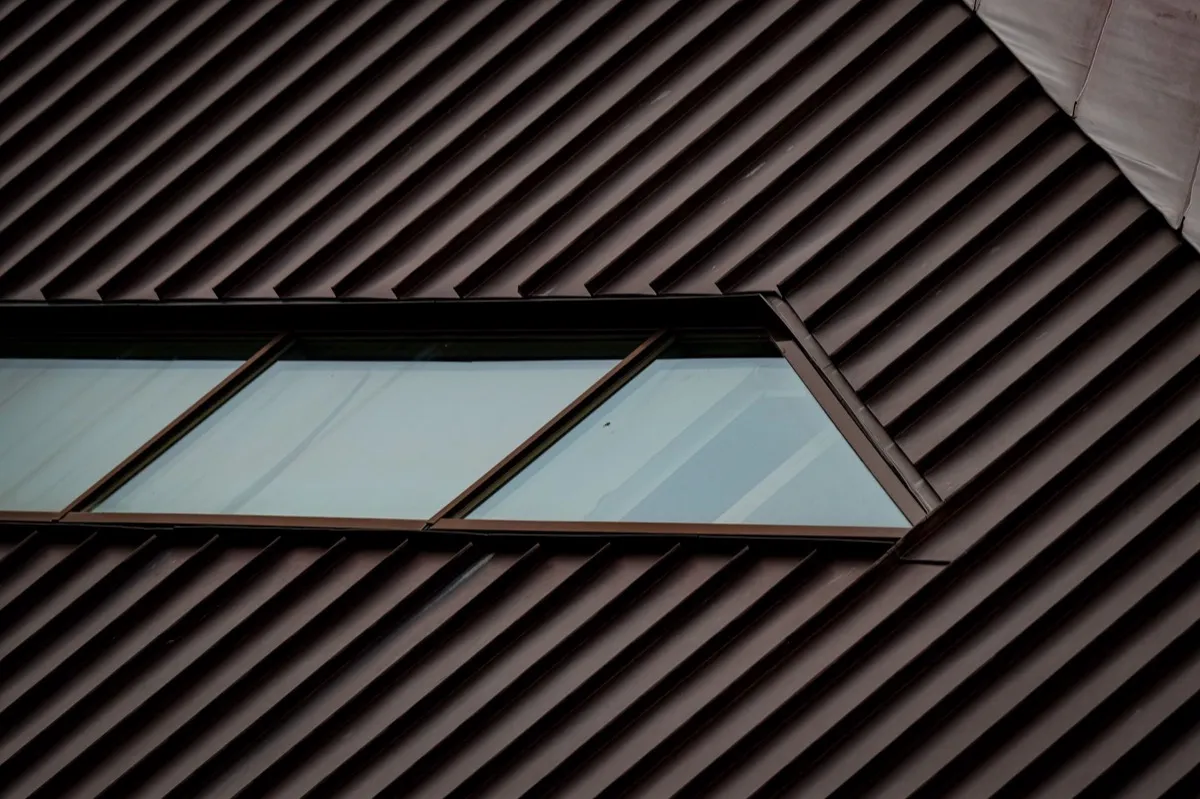
A metal panel being rated Class A and a metal roof being rated Class A are two different statements. On a Flagstaff job that distinction stops being academic, because the city removed the lower fire classifications from the code and left nothing to fall back to.
Roof Leak Repair
Before anyone crawls through your attic chasing a stain, we measure the plumbing vents on your roof. In this town that one check explains a surprising share of winter leaks, and having it done first costs you nothing.
Roof Skylight Installation
A skylight in Flagstaff needs to sit taller than the snow. That sounds obvious right up until you count how many deck-mounted units are set nearly flush in roofs that carry a foot of pack for months at a time.
Storm Damage Restoration
The roofs that fail in a Flagstaff storm are almost never the big ones. They are the porch roofs, the carport lids and the dormer sheds sitting directly underneath something taller.
Tile Roofing
Tile is a structural decision in Flagstaff rather than a style decision. Before we quote one onto a house that does not already carry it, somebody holding an engineering stamp needs to look at what is holding that roof up.
Wind Damage Roofing
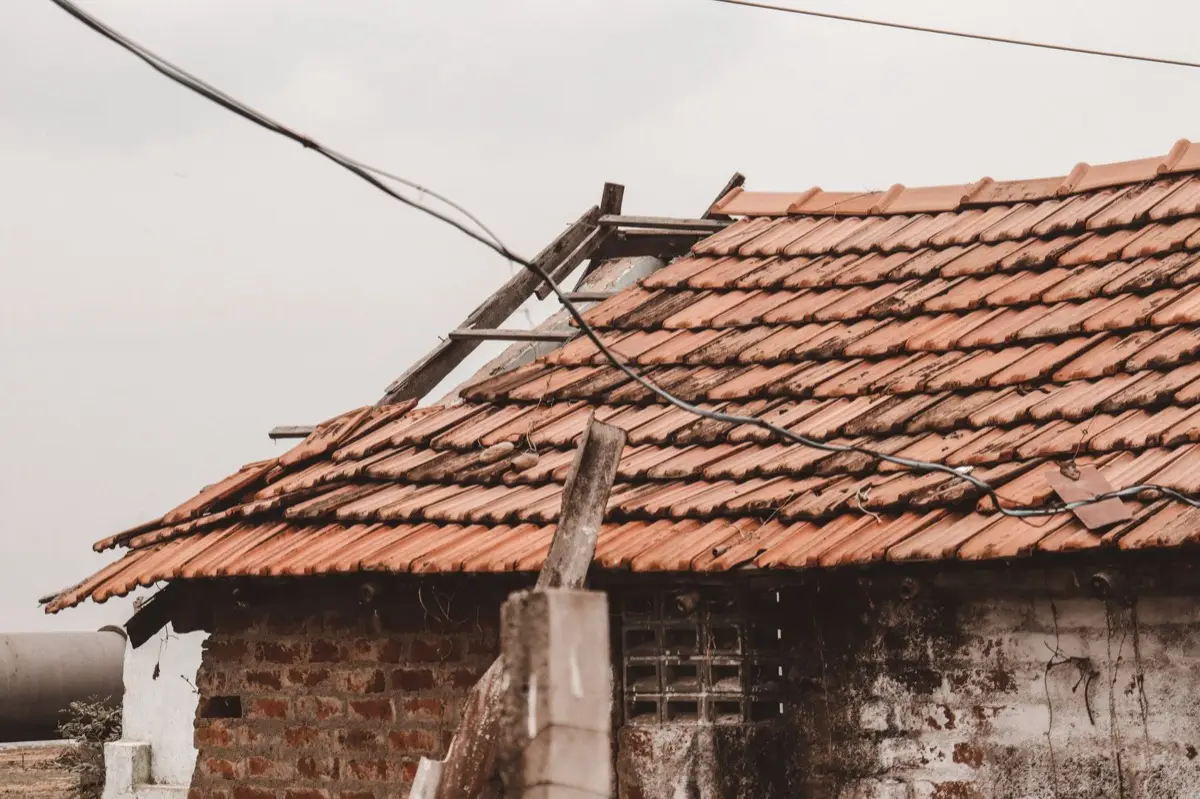
Most shingles that blow off a roof in this town were never stuck down to begin with. They went on during a cold month, the self-seal strip never activated, and the first hard wind of the season carried them away.
Flagstaff Roof Pros installs and repairs roofs across Flagstaff and Coconino County: architectural asphalt shingles, seamed and exposed-fastener steel, concrete tile, and self-adhered polymer modified bitumen on low-slope sections. Roof replacement, leak tracing, storm and snowpack damage, flashing, ventilation, skylights, eave repair and commercial roofing, residential and commercial alike.
What separates a roof built for this city from one built for the valley is written down. Flagstaff adopted a sixty pound per square foot ground snow load, requires ice barrier underlayment, deleted wood shingles and wood shakes from the code, restricts every roofing material to Class A or Class B, and requires rolled roofing to be a self-adhering polymer modified bitumen sheet.
We quote to those pages and hand them to you with the estimate. Every job carries a written scope naming the deck condition we found, the fastener pattern, the underlayment and the assembly listing it was tested under. Two of the service pages on this site exist to talk you out of a purchase, which is a strange way to sell roofing and, we think, an honest one.
What Flagstaff Customers Say
They found four inches of bad sheathing at the north eave and priced it per sheet before starting, so the final invoice matched the bid. First roofer who explained why the deck mattered here.
Called about a January ceiling stain and they asked how tall my plumbing vents were. Turned out to be exactly that. Cost me a plumber and a boot instead of a roof.
We asked for a coating on the flat section over the kitchen and got talked out of it, with a written explanation. Replaced the sheet instead for less than the coating quote.
Cabin sat empty all winter. They inspected in May, showed me photos of two lifted laps and a split boot, and fixed both in a morning. No pressure to replace anything.
Why Flagstaff Chooses Flagstaff Roof Pros
- ✓Every estimate cites the City of Flagstaff amendment it is built to, and the amended pages come stapled to it rather than quoted from memory.
- ✓We state a sheathing allowance in sheets and a price beyond it, because a roofing license stops at ten percent of the deck and yours may run past it.
- ✓We measure plumbing vent stack heights before chasing a winter leak, since the city requires twelve inches and a short stack explains a great many of them.
- ✓Anything laid between October and April is hand-sealed under every tab, to the manufacturer's cold-weather sheet, which we hand you with the invoice.
- ✓We do not sell roof coatings in this town and will explain in writing why the money is better spent replacing a small section of sheet.
- ✓Inspections are scheduled for spring rather than fall, because winter is what tests a roof here and an autumn look grades an untested one.
About Flagstaff Roof Pros in Flagstaff, AZ
Flagstaff Roof Pros works on roofs in Flagstaff and across Coconino County, from the cinder-field subdivisions northeast of town to the forest lots out toward Williams and the low, dry country along the Little Colorado. Replacement, leak tracing, storm and snowpack damage, flashing, ventilation, skylights, eave rebuilds and commercial work.
What we build from is not a general feeling about mountain weather. It is Title 4 of the city code, where Flagstaff adopted a sixty pound per square foot ground snow load, required ice barrier underlayment, restricted every roofing material to Class A or Class B, deleted wood shingles and shakes, and required rolled roofing to be a self-adhering polymer modified bitumen sheet. We quote to those pages and we hand them over with the estimate.
There are jobs we are the wrong call for, and we would rather say it here. If you want a roof coating, we do not sell them and will argue against one.
If your fascia run is longer than a roofing license covers, or your covering change needs an engineer to sign off on the added weight, we will tell you that the job is bigger than a roofer and hand it to somebody whose classification fits. If a repair will do, we will quote the repair.
How It Works
- 1
We look at the whole roof
A first visit covers the covering, the flashings, the penetrations and the attic. We measure the plumbing vent heights, check the fastener pattern where we can see it, and look at the underside of the sheathing. You get photographs of everything we found, whether or not you hire us.
- 2
A written scope, not a number
Our estimate names the assembly, the underlayment, the listing it was tested under, the fastener pattern and the ice barrier coverage. It states an allowance for bad sheathing in sheets and a price beyond it. You can hand it to another contractor and compare like with like.
- 3
Tear-off, deck report, dry-in
Once the covering is off we photograph the deck and send you the report before anything goes back on. If bad sheathing runs past what a roofing license covers, we stop and tell you rather than quietly carrying on. Nothing is left open overnight in winter.
- 4
Sign-off and the paperwork
At the end you get the scope sheet marked up with what we actually did, the manufacturer instruction sheets we worked to, the net free vent area we ended with, and a written labor warranty on that same document. Permits and inspections are ours to close out.
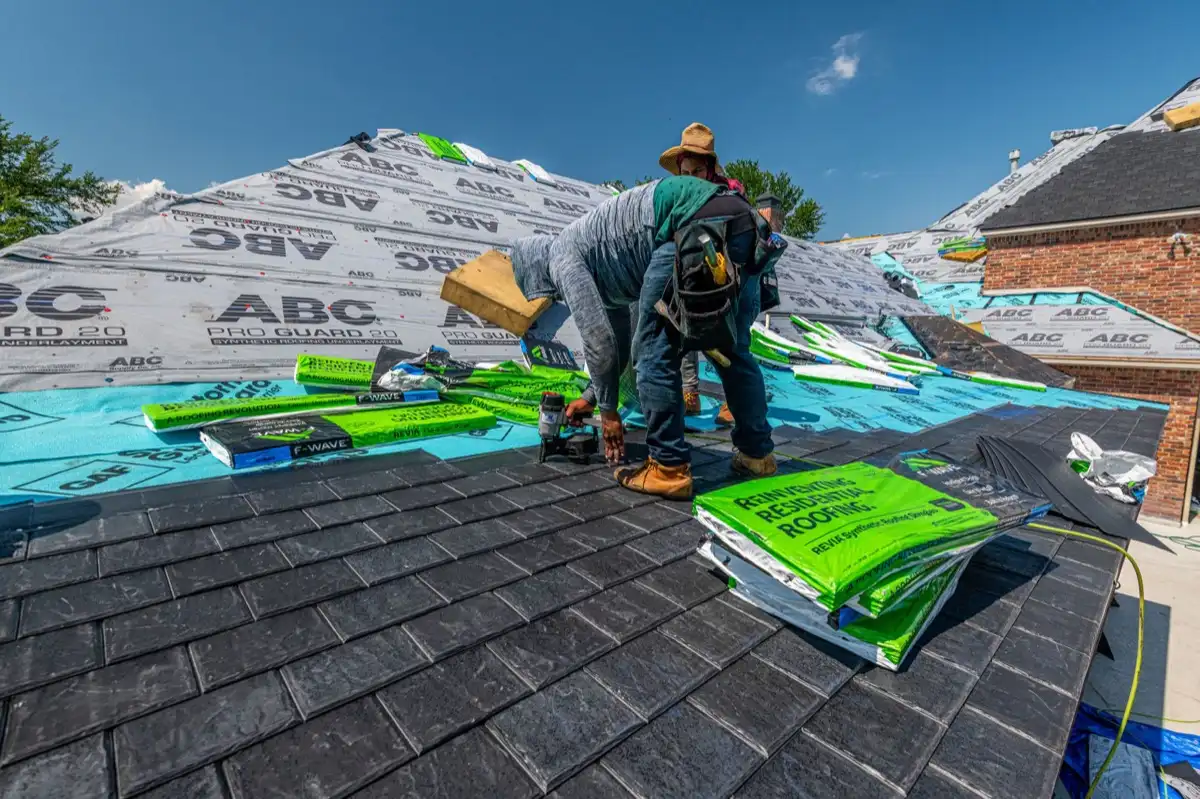
Commercial and multifamily roofs across Flagstaff and Coconino County
We roof apartment buildings, small retail, offices, churches, restaurants, light industrial and the outbuildings that come with them. Every commercial estimate names the assembly, the fire listing it was tested under, the drift zones we identified against the city's adopted ground snow load, and who is responsible for any mechanical work. Occupied buildings get a staging plan and a phasing schedule before anything is torn off.
- ✓Assemblies limited to Class A or Class B, since the city deleted the rest
- ✓Drift zones at parapets, roof steps and screen walls priced separately
- ✓Insulation boards specified so they will not crush under a concentrated load
- ✓Overflow scuppers sized on the assumption primary drains will be frozen
- ✓Rooftop units lifted to roof beneath them, with duct work sent to the right license
- ✓Self-adhered and single-ply membranes with the seam detail named in the scope
- ✓Phased tear-off so an occupied building is never left open overnight
- ✓Written scope you can hand to a plan reviewer without translation
Where We Work
Flagstaff Roof Pros serves Flagstaff, AZ and surrounding communities including:
Recent Projects Across Coconino County and the Colorado Plateau
Full gallery →
Frequently Asked Questions
What snow load does Flagstaff design roofs for?
Sixty pounds per square foot of ground snow. The city adopted that figure flat, by ordinance, in its amendments to both the residential and commercial codes, so there is no parcel-by-parcel lookup to argue about. The same amendments set the frost line at thirty inches and require ice barrier underlayment, which is why an eave detail here costs more than one drawn for the valley.
Can I put a cedar shake roof back on my house?
No. The city deleted the wood shingle and wood shake sections from both its residential and commercial codes, so those coverings are simply not available to you regardless of what is on the house now. It is an odd rule to read in the middle of a ponderosa forest and a sensible one given how the town has burned. Class A or Class B assemblies are what replaces them.
Why did my roof leak on a clear day in the middle of winter?
Because something on it was buried. Meltwater from a warming pack has to get past every penetration on the way down, and a plumbing vent cut to model-code height disappears under the snow. The city requires stacks to terminate twelve inches above the roof for exactly this reason. We measure them before we go looking for holes, and it settles a good share of winter calls.
Should I put a coating on my roof?
Not here, and we do not sell them. A coating is a film bridging joints that move, sitting under a wet refreezing load for weeks at a stretch, and it lets go at the edges where nobody can see. On a small low-slope section, replacing the sheet usually costs less than two coating cycles. If one seam has opened on an otherwise sound membrane, we will repair that seam and charge you very little.
What time of year should a roof go on in Flagstaff?
Late spring through early autumn, and there is a real reason beyond comfort. A shingle's self-seal strip needs sustained warm surface temperature to bond, and a roof laid in a cold month may not seal until the following spring. We will still work in winter when a roof cannot wait, but every course gets hand-sealed and we say so in the scope rather than hoping.
Does Arizona license roofing contractors?
Yes. Roofing is a licensed classification with the Arizona Registrar of Contractors, split into residential, commercial and dual scopes. The rule also caps what that license covers: up to ten percent of the roof substrate and no more than twenty-four linear feet of fascia. Past either line the work has to go to another license, and any honest bidder will tell you before the tear-off rather than after.